
Understanding Dry Eye: from Dr. Elisha Garg

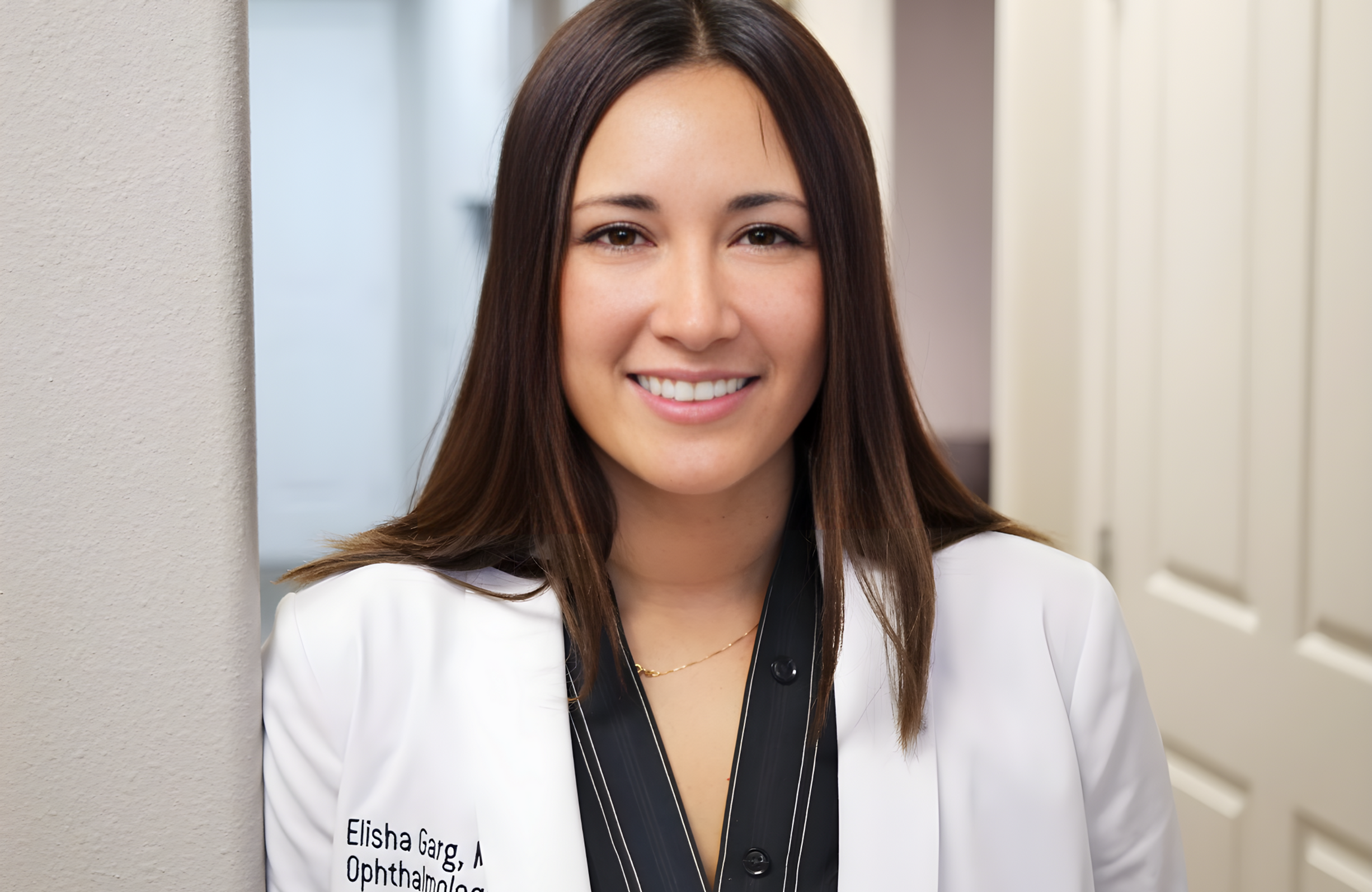
Dry eye syndrome is a common yet often overlooked condition that can significantly impact the quality of life. In a recent conversation with Dr. Elisha Garg, a comprehensive ophthalmologist practicing in Northern California, we explored the complexities of dry eye, particularly in women approaching menopause. This post delves into the hormonal influences on dry eye, effective treatments, and preventative measures.
What is Dry Eye and Why It Matters
From the point of view of Dr. Elisha Garg
Dry eye syndrome occurs when the eyes do not produce enough tears or when the tears evaporate too quickly. This condition can lead to discomfort, vision problems, and even damage to the eye's surface. Dr. Garg emphasizes that many patients feel their quality of life is significantly affected by this condition, often citing, "I have a really great life, except I feel my eyes all the time."
The Hormonal Connection to Dry Eye
Hormones play a pivotal role
One of the surprising factors contributing to dry eye is hormonal changes, particularly during perimenopause and menopause. Dr. Garg explains that both estrogen and testosterone play vital roles in maintaining tear film stability. As women transition into menopause, levels of these hormones decline, leading to increased risk of dry eye.
Anatomy of Tear Film
The tear film consists of three layers:
Lipid Layer: Prevents evaporation.
Aqueous Layer: Provides moisture.
Mucin Layer: Helps the tears adhere to the eye surface.
Dr. Garg notes that hormonal receptors are present in the eye, and a decrease in testosterone can adversely affect the oil glands, leading to drier eyes. Therefore, understanding how these hormones interact with eye health is crucial for effective treatment.
Treatment Options for Dry Eye
When it comes to managing dry eye, Dr. Garg stresses the importance of a tailored approach
Here are some effective treatments:
Warm Compresses: These can help open up the meibomian glands, allowing for better oil secretion. Dr. Garg recommends using a commercial mask heated in the microwave for about 5-10 minutes.
Dietary Adjustments: Increasing omega-3 fatty acids through diet or supplements can support gland function and improve overall eye health. Foods like fatty fish, nuts, and seeds are beneficial.
Medications: Options like cyclosporine (Restasis) and new treatments targeting the lipid layer may help alleviate symptoms.
Avoid Hormone Replacement for Dry Eye: Dr. Garg advises against using estrogen replacement therapy, as studies show it may worsen dry eye symptoms. Instead, she suggests discussing alternative options with healthcare providers.
Preventative Measures for Younger Women
Prevention is possible
Younger women can take steps to prevent dry eye before hormonal changes occur. Dr. Garg highlights the importance of maintaining healthy meibomian glands through regular warm compresses and a balanced diet rich in omega-3s. Additionally, women contemplating refractive surgery like LASIK should ensure their eye health is optimized beforehand to prevent complications related to dry eye.
Key Takeaways
Understanding the hormonal influences on dry eye is crucial, especially for women entering menopause.
Treatment for dry eye should be individualized, considering factors like gland health and dietary habits.
Preventative measures, including diet and regular eye care, can help maintain eye health and prevent dry eye syndrome.
Ultimately, addressing dry eye syndrome requires a multi-faceted approach that includes lifestyle changes, proper medical treatment, and awareness of the hormonal factors at play. If you or someone you know is struggling with dry eye, consulting with an eye care professional can provide guidance tailored to individual needs.


Comments